Restorative Interior Design
Our Restorative Design Principles
Our work is underpinned by the studio’s three Restorative Design Principles, developed as a clear foundation for guiding our approach across all projects. These principles recognise that the spaces we inhabit profoundly influence physical health, emotional balance, and quality of life. By prioritising functional clarity, sensory comfort, and material integrity, we create environments that support both the body and mind, reducing stress, enhancing ease, and promoting a lasting sense of wellbeing. This holistic perspective allows us to move beyond surface aesthetics, shaping interiors that are deeply supportive, bespoke, and quietly transformative.
1. Form
form follows function
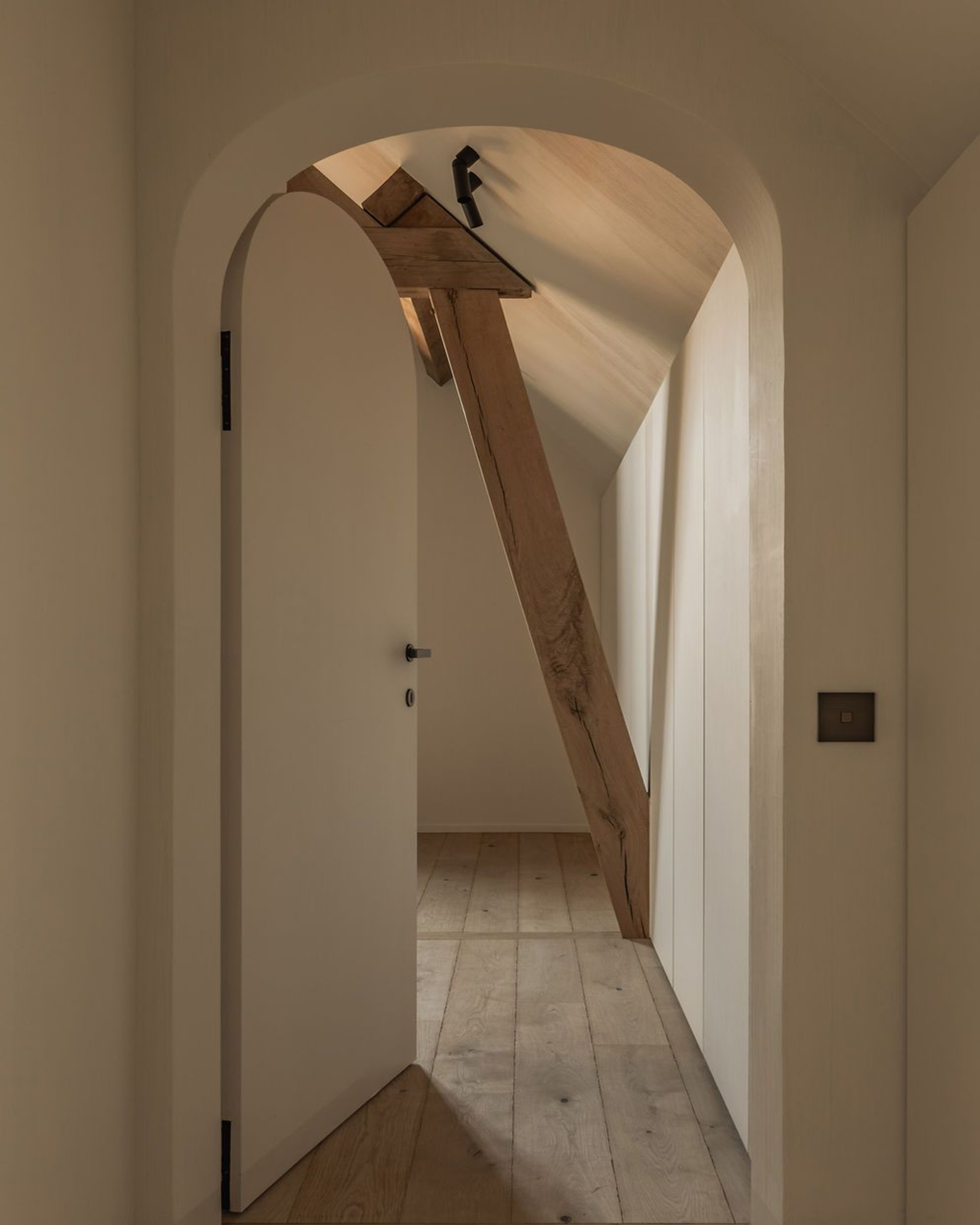
Form begins with how a space needs to work and how it should feel to occupy. Plans are shaped around real routines, behaviours, and needs, creating layouts that feel natural, intuitive, and easy to move through. Circulation is carefully considered to reduce friction and mental load, while integrated storage prevents visual chaos and supports a sense of order.
Each room is designed with a clear emotional intention, whether for rest, focus, gathering, or retreat allowing the architectural design to respond accordingly. Proportion, flow, and spatial clarity establish a calm foundation that allows the interior to feel composed and effortless to inhabit.
Natural light is treated as a primary organising element, with activities positioned to benefit from the quality and rhythm of daylight. Relationships between quieter and more active areas are thoughtfully arranged, helping protect moments of stillness from noise and disruption.
When a space works in this quiet, practical way, everything within it feels more at ease. The architecture becomes a supportive backdrop to daily life; unobtrusive, intuitive, and calm.
2. Sensory Experience
light | sound | texture | atmosphere
Sensory experience considers how a space is perceived through light, sound, texture, and atmosphere. Careful attention is given to creating environments that feel calm, comfortable, and gently engaging.
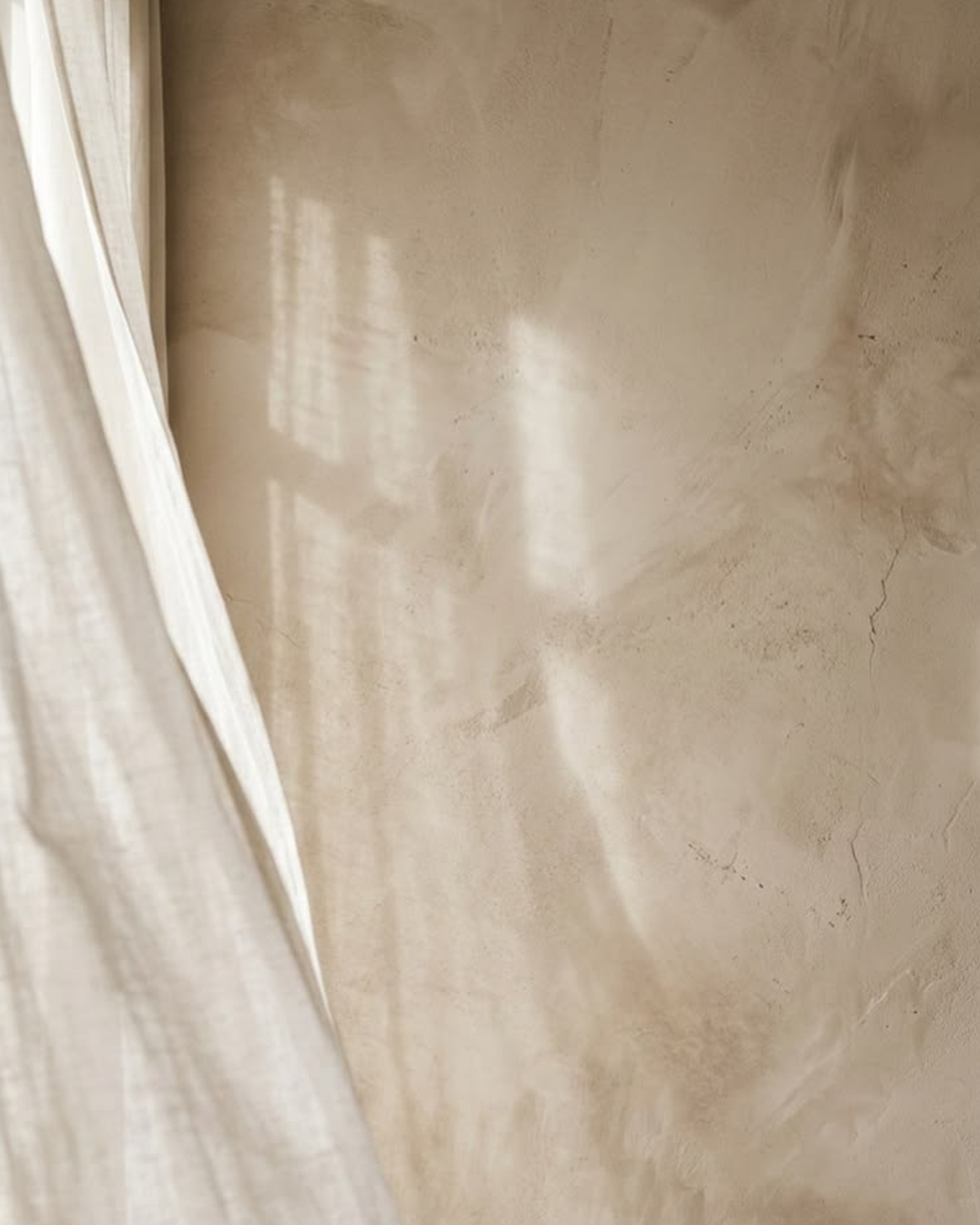
For the eyes, daylight is softened where needed to reduce glare, while artificial lighting is warm, layered, and adjustable, allowing spaces to move easily between tasks and moods. A consistent visual language runs through all spaces, with texture and depth introduced in a restrained way to create interest without unnecessary decoration.
Sound is an essential part of comfort. Materials and spatial planning help reduce echo, reverberation, and intrusive mechanical noise, while quieter areas are positioned to allow retreat from activity. Different rooms support different sound qualities, creating a subtle, intentional soundscape across the project.
Touch also plays a quiet role. Elements handled regularly are selected for their warmth, quality, and durability, with thoughtful detailing at key points of contact. These tactile moments, a smooth timber handrail or a well-weighted handle, bring a subtle sense of quality and everyday pleasure.
Together, these sensory layers shape an atmosphere that feels balanced, restful, and easy to live with over time.
3. Material Integrity
authentic | crafted | quality | timeless
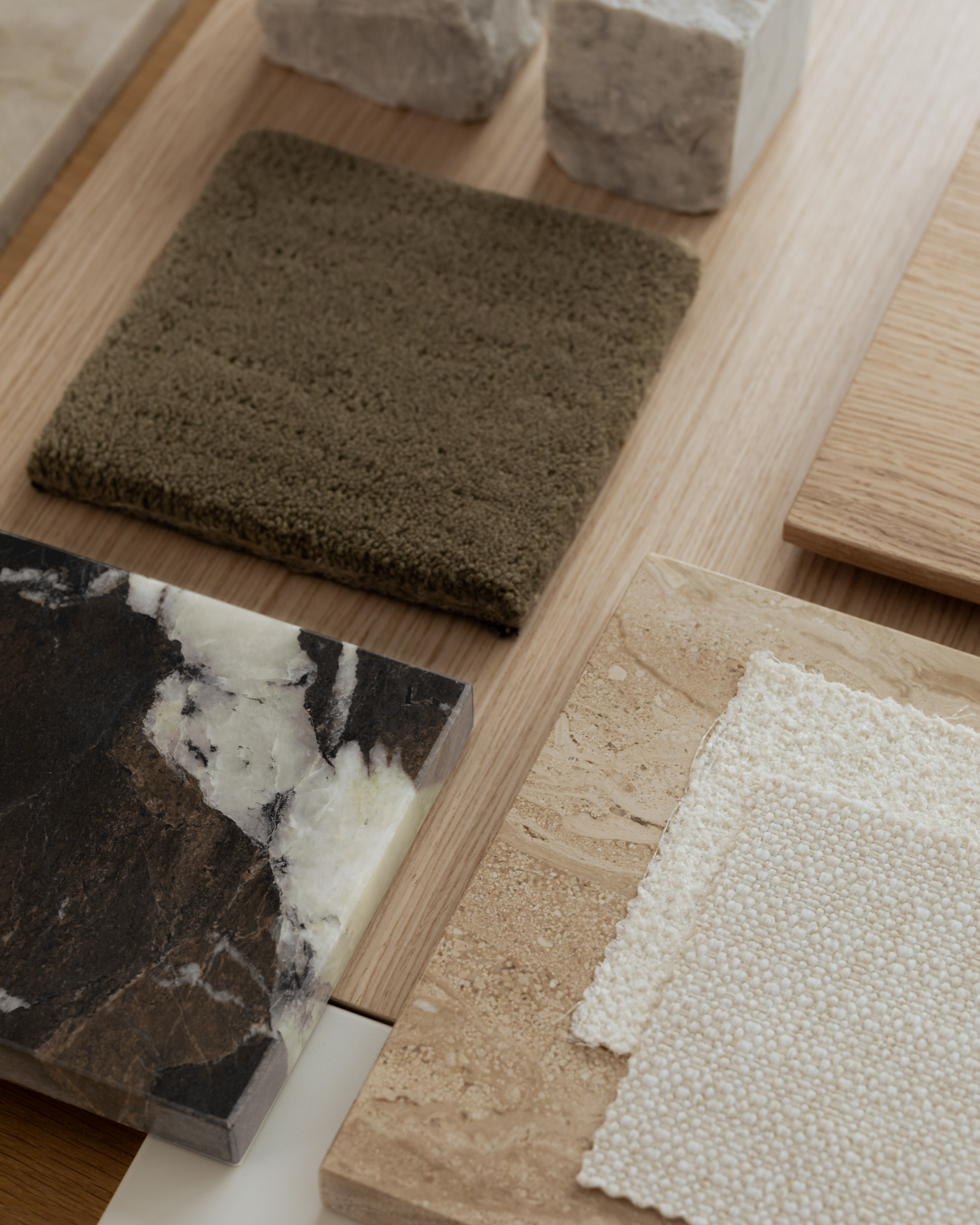
Material integrity considers the authenticity, health, and longevity of the materials used. Natural finishes are favoured for their tactility, durability, and their ability to age gracefully, allowing spaces to remain comfortable and relevant over time. Carefully chosen materials can also improve indoor environmental quality such as humidity and temperature regulation and air quality whilst strengthening a quiet connection to the natural world.
Materials and finishes aim to be clean, low-toxicity, and ethically sourced and preference is given to materials that can be repaired, renewed, or returned safely to the earth at the end of their life.
Honest materials are valued for the way they respond to everyday use. Timber, stone, metals and clay develop patina, softening and deepening with time. Signs of wear are understood as part of a material’s story, not a flaw. Durability is defined not by resisting change, but by accommodating it.
Material honesty is central, nothing is made to imitate something else. Surfaces are chosen for what they are, how they perform, and how they feel to live with. This approach encourages longevity, supports craft, and allows interiors to evolve naturally over many years.